Rainy weather is common in many parts of New Zealand — and wet roads dramatically increase stopping distance and accident risk.
Many crashes don’t happen because of speed, but because drivers don’t adjust their driving habits for wet conditions.
🚗 1. Slow Down — More Than You Think
On wet roads, tyres lose grip easily.
Even good tyres can lose traction at too high a speed.
Safe rule:
Reduce speed by at least 10–20% in rain.
Why?
Water creates a thin film between tyre and road → less friction → longer braking distance.
🌊 2. What to Do If You Aquaplane
Aquaplaning happens when tyres ride on top of water instead of touching the road.
You may feel:
-
Steering becomes light
-
Car stops responding
-
Engine revs increase
DO:
✔ Lift off the accelerator
✔ Keep steering straight
✔ Stay calm
DON’T:
✘ Brake suddenly
✘ Turn sharply
The tyres will regain grip in a moment.
💡 3. Use Lights Properly
In NZ rain, visibility drops quickly.
Turn on headlights (not just daytime running lights) so other drivers can see you.
Fog lights only if visibility is very poor.
🛞 4. Tyres Matter More Than Anything
Most wet-weather accidents are tyre related.
Check:
Worn tyres dramatically increase aquaplaning risk.
🧽 5. Keep Windscreen & Wipers Clear
Bad visibility causes delayed reactions.
Replace wipers if:
-
Streaking
-
Juddering
-
Noise
Clean inside glass too — fogging increases in rain.
🧠 6. Brake Earlier & Gently
Sudden braking = skidding
Instead:
Modern ABS helps — but physics still wins.
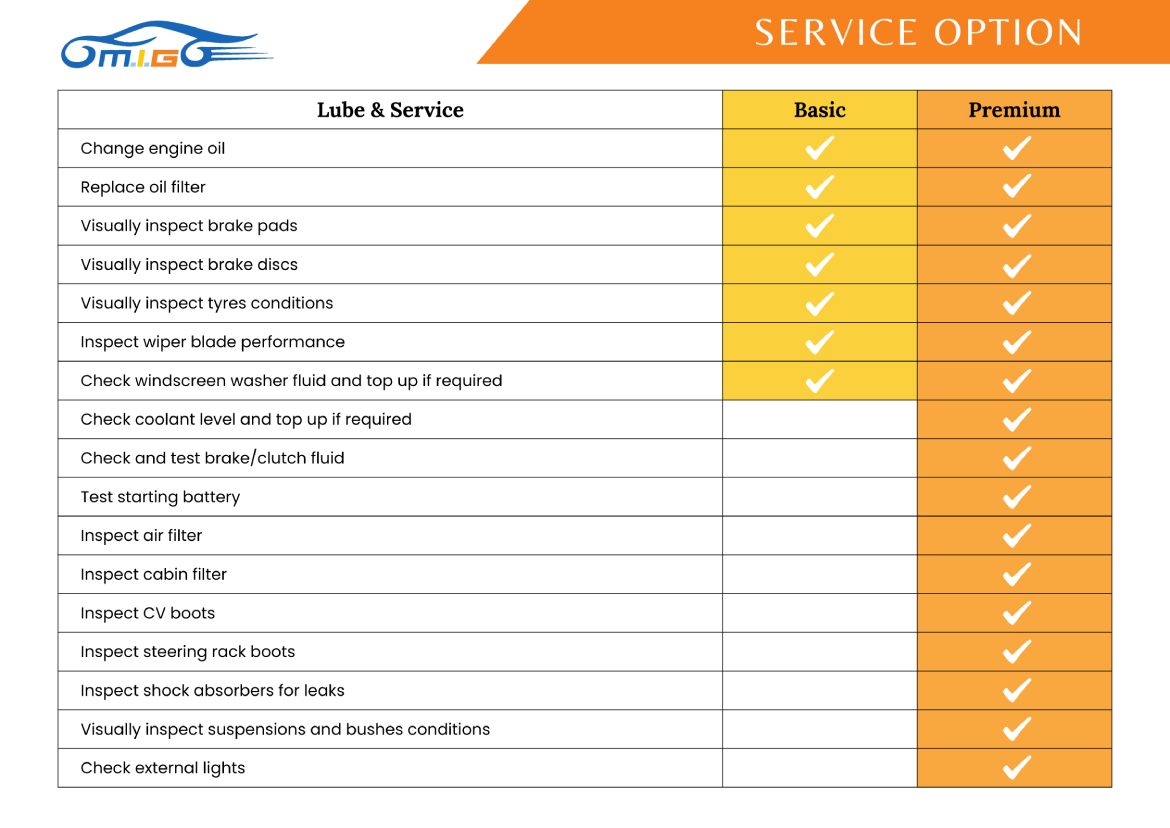
🛠 Safety Check at MIG CARS
Wet roads are when small problems become big problems.
At MIG CARS, we offer:
✔ Vehicle inspection
✔ Tyre & brake condition check
✔ Wiper & light inspection
✔ Christchurch workshop support
📍 Stay safe this rainy season — visit us anytime.