Hybrid cars have become increasingly popular across New Zealand, thanks to their impressive fuel efficiency and lower running costs. But do they actually save you money in the long run?
The answer depends on how and where you drive. Here's what you should consider before choosing a hybrid.
1.Lower Fuel Costs
One of the biggest advantages of a hybrid is improved fuel economy.
Because a hybrid combines a petrol engine with an electric motor, it uses less fuel, especially in stop-and-go traffic.
If you mainly drive around town or commute daily, a hybrid can significantly reduce your fuel expenses over time.
2.Less Wear on the Brakes
Hybrid vehicles use regenerative braking, which helps slow the car while recharging the battery.
This means the traditional brake pads and discs often last longer than those on a conventional petrol vehicle, potentially reducing maintenance costs.
3.Regular Servicing Is Still Important
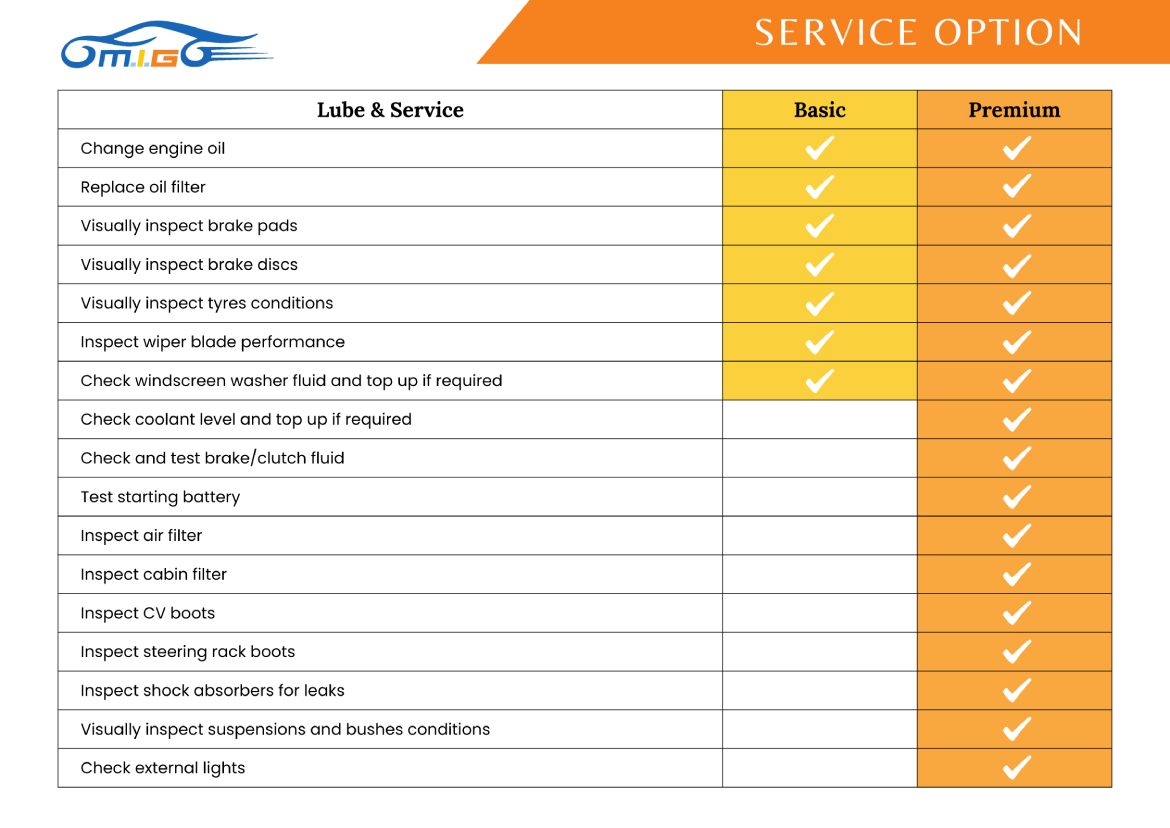
Although hybrids are fuel-efficient, they still require routine servicing.
Items such as engine oil, tyres, suspension, filters, and cooling systems still need regular inspection and maintenance.
Keeping up with servicing helps ensure the vehicle remains reliable for years to come.
4.What About the Hybrid Battery?
Many buyers worry about battery replacement costs.
In reality, modern hybrid batteries are designed to last for many years, and many vehicles continue to operate reliably well beyond 200,000 km.
Battery issues are far less common than many people expect, especially when the vehicle has been properly maintained.
5.Are Hybrids Right for Everyone?
Hybrid vehicles offer the greatest savings for drivers who:
Mainly drive in the city
Commute regularly
Spend time in stop-and-go traffic
Want lower fuel costs
If you mostly drive long motorway trips, the savings may be smaller compared with city driving.
Final Thoughts
So, do hybrid cars save money? For many New Zealand drivers, the answer is yes.
If you mainly drive around town, commute regularly, or spend a lot of time in stop-and-go traffic, a hybrid can help reduce fuel costs and lower some long-term running expenses.
However, every driver's needs are different. The best choice depends on how and where you drive, your budget, and what you expect from your vehicle.
By understanding both the benefits and the ongoing maintenance requirements, you'll be in a better position to decide whether a hybrid is the right choice for you.