

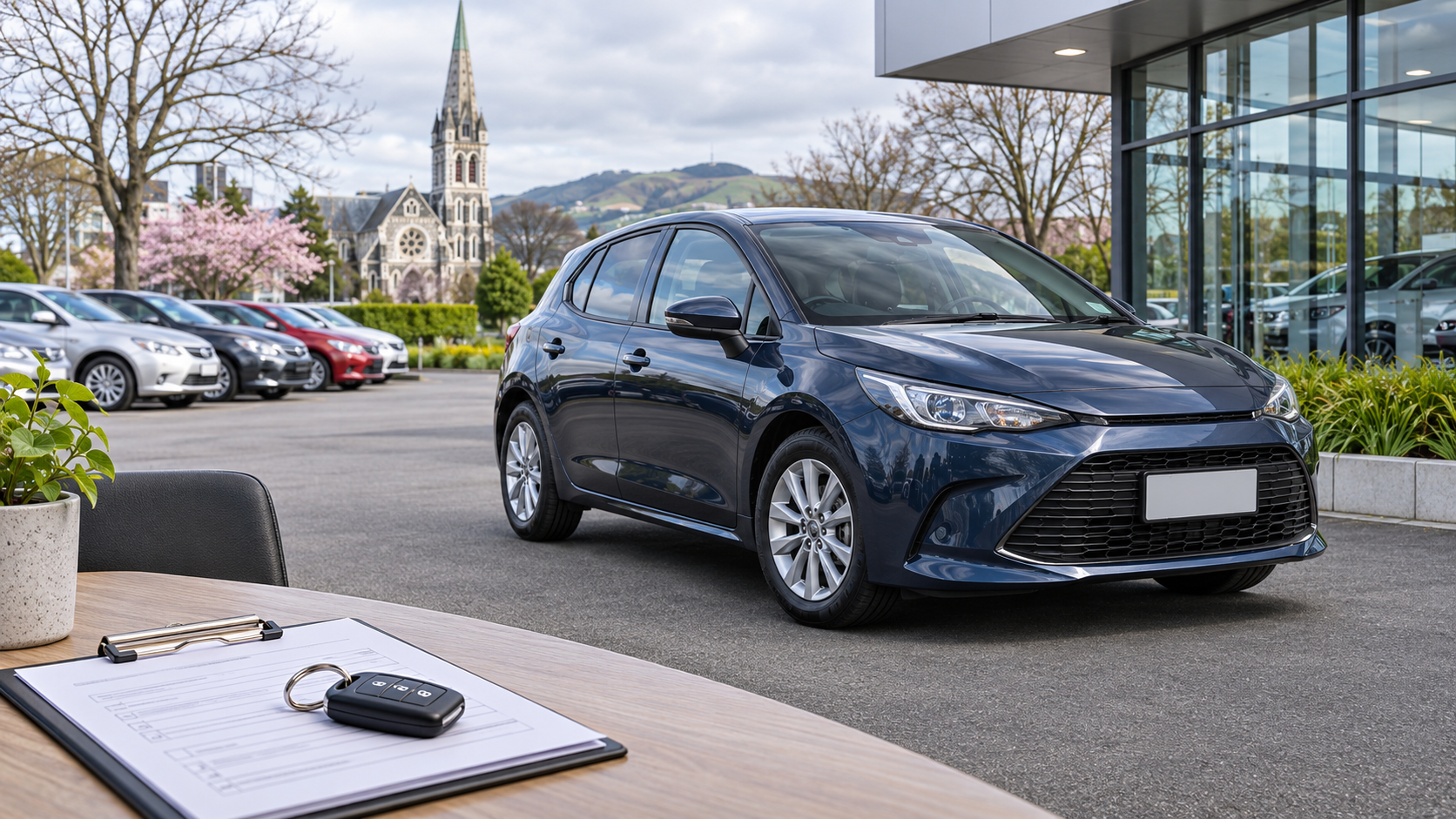
When comparing used cars, the advertised vehicle price is only useful when you understand what is included. In New Zealand, the phrase on-road costs generally refers to the items needed to put a vehicle legally on the road. Before signing a sales agreement, ask for the total amount and a clear breakdown.
What can on-road costs include?
Consumer Protection explains that on-road costs can include a current Warrant of Fitness, registration, vehicle licensing (often called rego), and road user charges where they apply. The exact mix depends on the vehicle and its current status, so do not assume every advertised price is structured in the same way.
Read the official Consumer Protection guidance on car sales contracts and on-road costs before comparing offers.
Check whether the advertised price includes them
Ask the dealer whether the displayed price includes or excludes on-road costs. If they are separate, request the dollar amount and the items covered. Consumer Protection says these costs should be disclosed and should not come as a surprise after purchase.
Keep the vehicle price and on-road costs separate from optional products such as accessories, mechanical breakdown insurance or other add-ons. Each optional item should be clearly identified so you can decide whether you want it.
Read the Consumer Information Notice
A registered motor vehicle trader must provide an accurate Consumer Information Notice (CIN) for a used vehicle. The CIN includes details such as the vehicle identity, odometer, registration history, whether money is owing, and the cash price. Consumer Protection states that the cash price on the CIN includes GST, registration and licensing costs.
Compare the CIN with the vehicle, advertisement and sales agreement. Check the plate, VIN or chassis number, odometer, WoF and licence information, and whether a security interest is recorded. Keep your signed copy. The official dealer-buying guide explains the CIN and the protections that apply when buying from a dealer.
Confirm the WoF and vehicle licence
NZ Transport Agency says a buyer can insist that a light vehicle's WoF is less than one month old. If you accept a WoF that is older than one month, that should be confirmed in writing. A vehicle without a current WoF or CoF cannot be used normally on the road; it may only be driven for repair or inspection when it is safe to do so.
Also check the vehicle licence. Registration and licensing are different: registration places the vehicle on the Motor Vehicle Register, while licensing is the recurring fee that allows it to be used on the road. Review NZTA's current vehicle-buying requirements for the buyer and seller.
Ask about road user charges
Some vehicles use road user charges (RUC). Check whether RUC applies and whether the distance licence is current. NZTA warns that a buyer may become responsible for overdue RUC, so it is worth checking before agreeing on the sale price.
If you are using finance, compare the complete amount
On-road costs may be included in the amount financed, depending on the agreement. Review the vehicle price, deposit, trade-in, fees, interest rate, repayment frequency, term and total amount payable. A weekly payment by itself does not show the complete cost of borrowing.
A simple checklist before signing
- Is the advertised price inclusive or exclusive of on-road costs?
- What exact items are included in the on-road-cost figure?
- Does the CIN match the vehicle and sales agreement?
- Are the WoF, vehicle licence and applicable RUC current?
- Which items are optional add-ons?
- If financed, what is the total amount payable?
To compare current stock, browse used cars at MIG CARS Christchurch. You can also review our vehicle finance information or contact the MIG CARS sales team before arranging a viewing or test drive.